Let's talk about teenage periods.
In recent years, girls are starting their periods as early as 9 years old, although the age varies from girl to girl. Research suggests that various environmental and social factors might contribute to this earlier menstruation trend.
My passion is to normalise periods for girls and help them experience less pain and develop a positive relationship with their menstrual cycles. Rather than seeing periods as a burden, I would love for them to be celebrated as a natural sign that our bodies are developing as they should.
What's Normal During the Teenage Years?
During the first few years of menstruation, it is common for periods to be somewhat irregular as the reproductive system matures. During this time, the length of the menstrual cycle and the amount of bleeding may vary.
Keeping track of periods can help girls become familiar with their cycles and recognise any changes.
At home, I have been teaching my daughter to track her menstrual cycle. It is a simple way of helping her understand her body and recognise patterns in her energy levels, mood and emotional wellbeing throughout the month.
When Should Period Symptoms Be Investigated?
Certain symptoms are not considered normal and may require further investigation:
Heavy periods
Painful periods
Having to take time off school due to period pain
Feeling overly emotional, moody or unable to cope
Periods that are more than 90 days (three months) apart
The Royal Children's Hospital Melbourne also recommends assessing how menstrual symptoms affect a young person's school, social activities and everyday life.
Supporting Teenage Menstrual Health
Over the years, I have seen many women who have experienced painful or heavy periods since their teenage years.
Some were prescribed hormonal medications, such as the contraceptive pill, to help manage their symptoms. While these medications can be helpful, I believe it is also important to investigate persistent menstrual difficulties rather than simply accepting them as part of growing up.
When working with teenagers, I like to understand their menstrual history, symptoms, diet, sleep, digestion, stress and general wellbeing.
Chinese medicine takes an individualised approach to menstrual health, and support may include:
Dietary and lifestyle advice – Eating nourishing foods, maintaining regular meals and supporting healthy daily routines.
Acupuncture – Using very fine needles inserted into specific points on the body. Research from Western Sydney University suggests acupuncture may help reduce menstrual pain. However, further high-quality studies are needed to better understand its effectiveness.
Acupressure – A gentle, needle-free alternative to acupuncture, where specific acupuncture points are massaged or pressed to help relieve discomfort. This can be a good option for teenagers who may not feel comfortable with needles.
Acupuncture and Chinese medicine can be considered alongside appropriate medical care.
Self-Help Tips During Your Period
In Chinese medicine, menstruation is considered a time to slow down, nourish the body and keep warm. Here are some simple things you can do during your period:
Stay warm and avoid cold exposure. Keep your feet and lower back warm.
Eat warm, nourishing foods and drinks.
Use a heat pack or hot water bottle over your lower abdomen to help ease period pain.
Give yourself permission to rest and slow down during the first few days of your period. Listen to your body and allow yourself some extra rest when needed.
Try gentle acupressure. Spleen 6 (SP6) is traditionally used in Chinese medicine for menstrual discomfort.
How to Massage Spleen 6 (SP6)
Spleen 6 is traditionally used in Chinese medicine to help relieve menstrual discomfort.
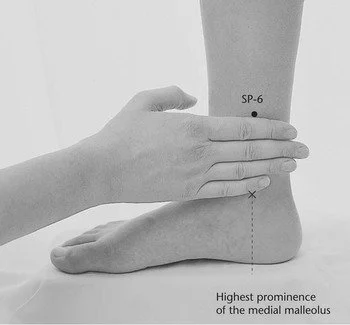
Using your thumb, apply gentle but firm pressure to the point and massage in small circular movements for approximately 2 minutes on each leg, a few times a day.
Massage both legs, one at a time.
The pressure should feel comfortable and should not cause pain.
Stop if you experience pain or discomfort.
Important: SP6 should not be stimulated during pregnancy unless advised by a qualified healthcare practitioner. If you are pregnant or think you may be pregnant, avoid massaging this point.
Helping Girls Have a Positive Experience With Their Periods
I would love to see more girls growing up feeling comfortable talking about their periods, understanding their bodies and knowing when to ask for help.
Painful or heavy periods should not simply be accepted as part of being a woman.
If your teenager is experiencing menstrual difficulties, it is important to seek appropriate medical advice. At Yin Earth Medicine in Eltham, I offer individualised acupuncture and Chinese medicine support for teenage menstrual health.
References
Royal Children's Hospital Melbourne – Periods
Royal Children's Hospital Melbourne – Adolescent Gynaecology: Heavy Menstrual Bleeding
American College of Obstetricians and Gynecologists – Menstruation in Girls and Adolescents
Armour M, et al. (2017). Acupuncture for Primary Dysmenorrhoea – Western Sydney University research
Systematic Review (2025) – Long-Term Effects of Acupuncture for Primary Dysmenorrhoea
Cochrane Review (2016) – Acupuncture for Dysmenorrhoea
About the Author
Diana Segovia Arcella is an AHPRA-registered Acupuncturist and Chinese Herbal Medicine Practitioner (BHSc Chinese Medicine) with over 10 years of clinical experience. She has a special interest in women's health, including menstrual health, fertility, pregnancy, postpartum, perimenopause, and menopause.
She practises at Yin Earth Medicine in Eltham, Melbourne.